Cowboy Raccoon Western Lasso Design Review
As a designer who spends more time staring at stitch maps than most people stare at their phones, I know that the difference between a cute graphic and a viable machine embroidery design often comes down to execution. When I first pulled up the Cowboy Raccoon Western Lasso Design, my initial reaction wasn't just about how adorable the character looked; it was about visualizing how those tan straw hat textures and plaid shirt details would translate into actual thread on fabric. This isn't just a digital image; it's a blueprint for a physical handmade product that needs to withstand washing, wearing, and the scrutiny of paying customers.
First Impressions: Character and Stitch Potential
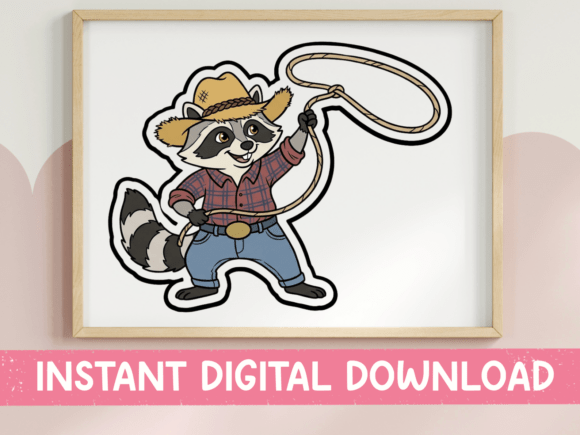
The mood of this design is undeniably playful yet rugged, hitting that sweet spot for country-loving folks who appreciate a bit of whimsy. The raccoon, sporting his tan straw cowboy hat and red and blue plaid shirt, has a distinct personality that screams "boutique charm." From a technical standpoint, the layout suggests a balanced mix of satin stitch for the outlines and textural elements like the hat brim, and fill stitch for the body and clothing. The brown belt with the gold buckle acts as a great focal point, likely requiring high-density stitching to make that metallic pop against the darker fur tones.
What stands out immediately is the potential for thread colors to shine here. The contrast between the red and blue plaid and the neutral tones of the raccoon fur offers a classic western palette that works well on various backgrounds. However, the success of this embroidery project relies heavily on how the digitizer handled the transition between these color blocks. If the jumps are minimized and the trims are logical, this design becomes a time-saver rather than a thread-eater.
Real-World Application: The Custom Tote Bag Scenario
To truly test the viability of the Cowboy Raccoon Western Lasso Design, I imagined a specific real-life scenario: creating a line of custom tote bags for a local farm-to-table market. These bags need to be durable, washable, and visually striking enough to stop a customer in their tracks. Using a heavy canvas or twill fabric, the density of the raccoon's fur and the definition of the lasso rope would add a tactile quality that flat printing simply cannot achieve.
In this context, the design functions perfectly as a tote bag design. The horizontal orientation of the lasso action creates a natural width that fits nicely across the center of a bag without getting lost in the seams. For an Etsy seller or small shop owner, this kind of imagery builds brand consistency. It tells a story of fun, quality, and attention to detail. When a customer sees the intricate stitching of the plaid shirt, they perceive higher value, which justifies a premium price point for the finished product.
Beyond tote bags, this graphic is versatile enough for sweatshirt embroidery. Imagine a cozy, oversized crewneck with this raccoon centered on the chest. The texture of the fleece combined with the raised embroidery creates a wonderful depth. It also translates well to custom apparel for kids, turning a standard t-shirt into a favorite outfit. While categorized under T-Shirt Designs and Graphics, its true power lies in its ability to become a textured, tangible asset on garments.
Technical Considerations and Fabric Challenges
While the design is charming, practical application requires a critical eye toward fabric compatibility. The level of detail in the raccoon's face and the gold belt buckle means this design demands a stable foundation. Using it on stretchy knits without proper stabilization is a recipe for distortion. I always advise running a test on scrap fabric first, especially if you are working with thin materials or textured weaves like linen.
Stitch density is another crucial factor. If the fill areas are too dense, the design might become stiff, which is less than ideal for something like a baby onesie or a soft scarf. Conversely, if the density is too low, the underlying fabric might peek through, ruining the solid look of the raccoon's fur. For baby embroidery projects, you might need to adjust the underlay or choose a softer stabilizer to ensure comfort against sensitive skin.
Curved surfaces present their own set of challenges. Placing this on a cap requires careful hooping and potentially a foam topper to prevent the stitches from sinking into the twill. The small details, like the eyes or the tip of the lasso, could get lost or puckered if the hoop tension isn't perfect. Similarly, dark fabrics require a careful check of the underlay stitching to ensure the light tan of the hat doesn't look dull or grayish due to the background showing through.
Designer Notes for Commercial Success
If you are planning to use this digital embroidery file for commercial purposes, there are several steps you must take before listing items in your shop. First, verify the licensing terms. Just because a design is available for purchase doesn't automatically grant unlimited commercial rights. Always confirm whether you can sell finished items or if there are restrictions on the number of units.
- Test on multiple fabrics: Run trials on cotton, polyester blends, and canvas to see how the running stitch and fills behave on different textures.
- Check color contrast: View the design in black and white mockups to ensure the shapes remain distinct even without color cues.
- Inspect small details: Zoom in on the digitized file to check for unnecessary jump stitches or tiny elements that might break during washing.
- Confirm hoop size: Ensure the design fits within your available hoop sizes without needing to re-hoop, which can lead to alignment issues.
- Evaluate washability: Wash and dry your test sample to check for fraying or color bleeding, ensuring the embroidered patch effect lasts.
For those creating printable mockups or digital previews, remember that the screen representation of a Graphics file often looks smoother than the stitched reality. Managing customer expectations by showing close-up photos of actual stitching can build trust and reduce returns.
Final Verdict on Visual Appeal and Value
The Cowboy Raccoon Western Lasso Design holds significant potential for enhancing the visual appeal of any western-themed collection. Its strength lies in its character-driven narrative, which fosters an emotional connection with the buyer. Whether used for holiday embroidery gifts, nursery decor, or boutique branding, the design offers a professional look that elevates the perceived quality of the item.
However, its success is not guaranteed by the image alone; it depends on the skill of the embroiderer and the preparation of the materials. By respecting the technical requirements of stitch density, stabilizer choice, and fabric selection, you can transform this digital asset into a best-selling small shop product. It is a design that rewards attention to detail, offering a delightful blend of humor and craftsmanship that resonates with anyone who loves the wild side of country living.
Ultimately, this design is more than just a picture of a raccoon; it is a tool for creative entrepreneurs to express brand identity and deliver high-quality personalized gifts. With the right approach, it can become a staple in your library of design assets, ready to rope in customers and keep them coming back for more.