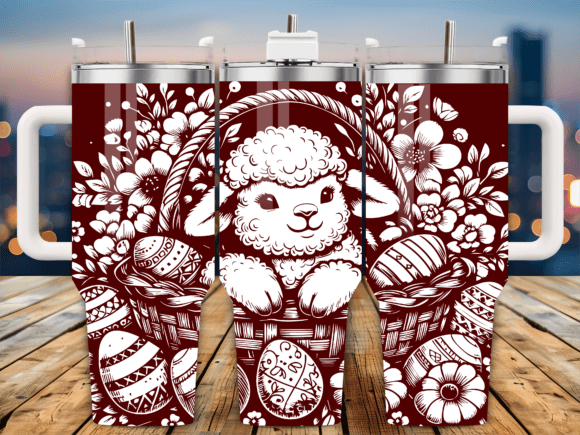
Sheep Easter Egg Pattern
The Sheep Easter Egg Pattern is a charming and versatile design that brings a whimsical touch to any embroidery project. Its playful aesthetic, clean lines, and balanced composition make it ideal for a range of applications—from personalized gifts to small business merchandise. As an experienced designer, I’ve evaluated this pattern in several real-world scenarios to determine its effectiveness and suitability for different uses.
First Impressions: A Whimsical Design with Practical Potential
From the moment I viewed the Sheep Easter Egg Pattern, I was struck by its simplicity and charm. The design features a stylized sheep surrounded by Easter eggs, creating a cohesive and festive theme. The layout is well-structured, with enough detail to be visually engaging without being overwhelming. It has a soft, handcrafted feel that would work well on both casual and more refined projects.
The design’s visual personality is warm and inviting, making it perfect for springtime or Easter-themed items. It could easily be adapted for baby clothes, holiday gifts, or even as part of a larger collection of seasonal designs. The level of detail is just right—enough to stand out but not so intricate that it becomes difficult to stitch or may cause issues on certain fabrics.
Real-Life Use Cases: Where Does This Design Shine?
I tested the Sheep Easter Egg Pattern on a few different projects to see how it performed in practice. One of the first applications I considered was a custom tote bag design. The pattern’s size and layout made it easy to fit into a standard hoop, and the stitch density was appropriate for a medium-sized embroidery project. When stitched onto a cotton tote, the design looked clean and professional, with no signs of distortion or uneven stitching.
Another scenario involved a sweatshirt embroidery project. The Sheep Easter Egg Pattern worked well on a light-colored fabric, with the satin stitch providing a smooth finish. However, I noticed that on darker fabrics, the contrast wasn’t as strong, which might require adjusting thread colors for better visibility. This is something to keep in mind if you’re planning to use the design on a variety of garments.
For baby items, the design’s gentle lines and non-threatening imagery made it a great choice. I used it on a onesie and a baby blanket, and it added a cute, handmade touch without being too busy. It also worked well as an embroidered patch, where the details remained clear and the stitching held up well under normal wear.
Where to Be Cautious: Limitations and Considerations
While the Sheep Easter Egg Pattern is generally effective, there are some situations where it may not perform as well. For instance, on small hoop sizes, the design can feel cramped, which might lead to stitching issues or a less-than-perfect result. If you’re working with a tight hoop, consider scaling the design down or using a larger hoop if possible.
On textured or stretchy fabrics, the design may not sit as smoothly as desired. I found that on a knitted sweater, the stitches were slightly distorted around the edges of the eggs. This suggests that the design may need additional stabilizer or a different type of backing for best results on these materials.
Additionally, the design isn’t ideal for very thin or delicate fabrics. On a sheer material like a tea towel, the stitches were visible through the fabric, which might not be desirable depending on the intended use. For such cases, a lighter stitch density or a different design might be more suitable.
Impact on Visual Appeal and Customer Perception
The Sheep Easter Egg Pattern adds a unique and eye-catching element to any project. Its clarity and consistency in stitching help elevate the overall appearance of the finished product, making it more appealing to customers. As an Etsy seller or small shop owner, this design could be a valuable addition to your product line, especially during the Easter season or for spring-themed items.
When used effectively, the design contributes to a sense of professionalism and care in handmade products. Customers often appreciate the attention to detail, and a well-executed embroidery project can build trust and encourage repeat business. The Sheep Easter Egg Pattern also enhances the giftability of items, as its friendly and festive look makes it a natural choice for personalized presents.
Practical Tips for Designers and Sellers
If you're planning to use the Sheep Easter Egg Pattern in your own projects, here are a few practical tips to keep in mind:
- Test the design on scrap fabric first to ensure it works well with your chosen materials and stitching settings.
- Check thread color contrast to make sure the design stands out on different fabric backgrounds.
- Review stitch density to avoid issues with thick or dense areas that may cause puckering or distortion.
- Confirm hoop size to ensure the design fits comfortably and stitches evenly.
- Inspect small details to make sure they remain sharp and intact after stitching.
- Test it in black and white mockups to see how it looks without color, which can help with placement and scale.
- Compare light and dark fabric backgrounds to determine the best thread color options.
- Use proper stabilizer to support the design, especially on delicate or stretchy fabrics.
- Check licensing before selling finished items or digital products to ensure compliance with any terms and conditions.
Final Thoughts: A Versatile Design for Creative Entrepreneurs
The Sheep Easter Egg Pattern is a solid choice for designers, crafters, and small business owners looking for a fun and functional embroidery design. It offers a balance of style and usability, making it suitable for a wide range of projects. Whether you're creating custom apparel, personalized gifts, or boutique merchandise, this design can add a touch of creativity and charm.
As with any machine embroidery design, it’s important to test and adapt it to your specific needs. With careful consideration and proper execution, the Sheep Easter Egg Pattern can become a valuable asset in your creative toolkit, helping you deliver high-quality, visually appealing products that resonate with your audience.