Where the Wind Keeps Secrets Desert: A Designer's Review
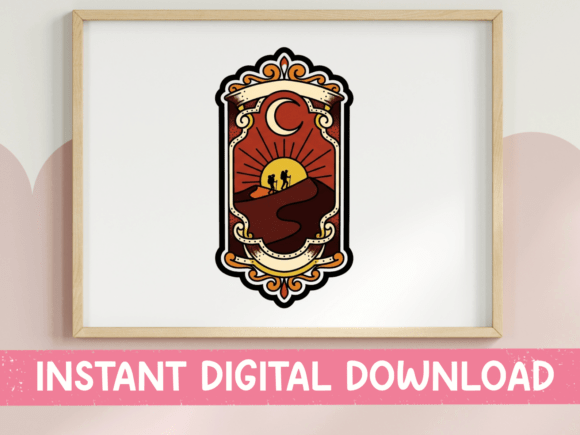
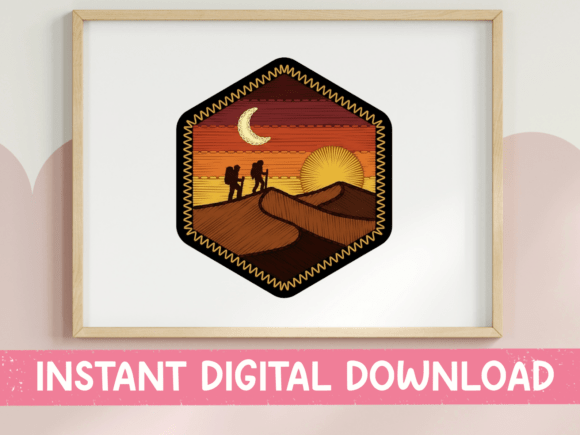
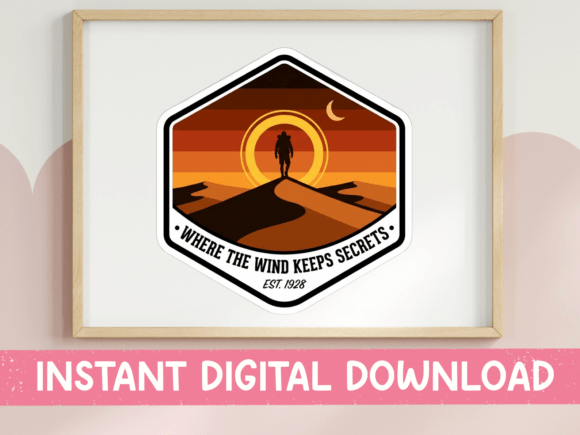
As someone who spends hours staring at digitized files before committing thread to fabric, I approach every new machine embroidery design with a mix of curiosity and caution. It is not enough for a graphic to look good on a screen; it must survive the tension of the hoop and the texture of the fabric. When I first opened the file for Where the Wind Keeps Secrets Desert, I was immediately drawn to its mood. This isn't just a generic landscape; it is a atmospheric piece designed for the wanderer who finds peace in wide-open spaces. The composition features a lone figure standing on a ridge, framed by a hexagon badge and backlit by a glowing sun ring. The color palette promises warmth, utilizing stripes of red, orange, brown, and cream to evoke the feeling of a sunset over arid lands.
First Impressions and Visual Personality
The initial visual impact of Where the Wind Keeps Secrets Desert is striking because of its geometric framing paired with organic imagery. The hexagon shape gives it a modern, badge-like quality that feels contemporary rather than traditional. This makes it an excellent candidate for T-Shirt Designs that need to stand out without being overly busy. The layout is balanced, with the solitary figure providing a focal point that draws the eye inward before expanding out to the warm, layered background. For a designer, this balance is crucial. It suggests that the digitizer understood how to manage stitch density so that the background stripes do not overwhelm the central subject. The mood is contemplative and serene, perfect for customers looking for apparel that tells a story of adventure and introspection.
Real-World Application: The Custom Sweatshirt Project
To truly evaluate this embroidery file, I imagined a specific real-life scenario: creating a limited run of custom sweatshirts for a boutique outdoor gear shop. The client wanted something that felt rugged yet artistic, suitable for hikers and desert explorers. Where the Wind Keeps Secrets Desert fit this brief perfectly. On a heavy cotton blend sweatshirt, the warm tones of red and orange would pop beautifully against earthy garment colors like olive green, charcoal, or sand. The hexagon frame provides a clean edge that prevents the design from looking unfinished, a common issue with landscape motifs that fade into the fabric.
In this context, the design acts as more than just decoration; it becomes a brand identifier. For an Etsy seller or small shop owner, consistency is key. Using a distinct shape like a hexagon helps create a recognizable visual language across different products. Whether stitched onto a tote bag or a pillow cover, the silhouette of the lone figure against the sun ring remains identifiable even from a distance. This recognizability increases the perceived value of the handmade product, making it feel like a professional boutique item rather than a hobbyist experiment.
Navigating Fabric Textures and Stitching Challenges
While the design is visually appealing, practical execution requires careful consideration of materials. The description mentions "warm stripes," which implies areas of fill stitch or potentially satin columns depending on the specific digitization. When working with striped backgrounds in embroidery, thread colors must have sufficient contrast to prevent the layers from blending into a muddy mess. Before stitching the final finished product, I strongly advise testing the design on scrap fabric that matches your intended material. This is especially important if you are using textured fabrics like linen or waffle knit, where the underlying texture can interfere with the clarity of the fine details in the sun ring or the ridge.
Caution is also needed when selecting the hoop size. While the hexagon format is compact, ensure your machine can accommodate the full width without needing to re-hoop, which can lead to alignment issues. If you plan to use this on stretchy fabrics, such as those used for baby clothes or fitted tees, a high-quality cut-away stabilizer is non-negotiable. The density of the background stripes could cause puckering if the fabric is not properly supported. Furthermore, curved surfaces like caps present a unique challenge. The horizontal lines of the desert stripes might distort if the cap panel is too curved, so a flat surface like a tote bag or a structured patch is often a safer bet for maintaining the integrity of the geometric frame.
Commercial Viability and Customer Appeal
For those running a craft business, the commercial potential of Where the Wind Keeps Secrets Desert lies in its versatility. It transcends seasonal trends, making it a viable asset for year-round sales. It works wonderfully as a personalized gift for travelers, or as part of a collection of holiday embroidery items for autumn and winter when warm tones are in high demand. The theme resonates with the growing market of consumers who value mindfulness and connection to nature. By offering this design on various items—such as aprons for the home cook who loves the outdoors, or tea towels for kitchen decor—you expand your reach beyond just apparel.
The professionalism of the final output depends heavily on how well the digital embroidery file translates to physical thread. A well-digitized design will have clean jump stitches and logical sequencing, which reduces production time and thread waste. If the stitch count is too high for the level of detail, it can make the design stiff and uncomfortable to wear. Therefore, checking the stitch density and ensuring the design flows logically from the background to the foreground figure is essential. For commercial embroidery projects, efficiency equals profit, so a design that stitches out cleanly and quickly is always preferable.
Final Verdict and Designer Notes
Where the Wind Keeps Secrets Desert is a thoughtful addition to any library of Graphics intended for embroidery. Its strength lies in its ability to convey a complex emotion through a simple, geometric composition. However, success with this design requires attention to detail during the setup phase. Always verify the licensing terms before selling finished items or digital derivatives. Check if the file includes multiple sizes or formats compatible with your specific machine. Test the color sequence on both light and dark fabrics to ensure the glowing sun effect is achieved without losing definition.
- Test First: Always stitch a sample on scrap fabric to check for puckering or thread breaks.
- Contrast Check: Ensure the red, orange, and brown threads distinguish clearly from each other and the fabric.
- Stabilizer Choice: Match the stabilizer weight to the fabric type, especially for stretchy or textured materials.
- Placement: Consider how the hexagon shape interacts with seams, pockets, or hems on garments.
- Licensing: Confirm usage rights for commercial sales before listing products on Etsy or in your shop.
In conclusion, this design offers a beautiful blend of artistry and practicality. With the right preparation and material choices, Where the Wind Keeps Secrets Desert can elevate a simple piece of fabric into a meaningful work of art that resonates with the spirit of the wanderer.