Cute Pink Flamingo Pond Goldfish: A Designer's Review
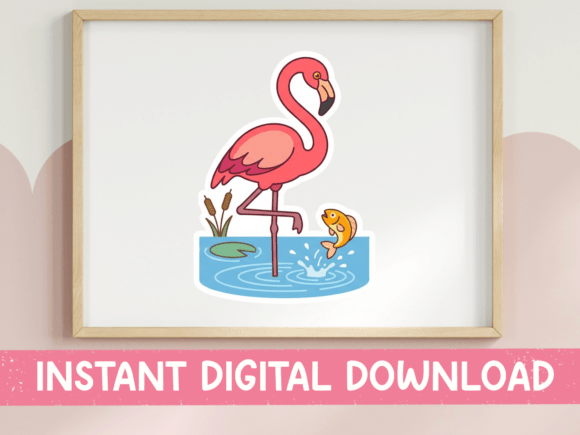
When I first pulled up the Cute Pink Flamingo Pond Goldfish design on my screen, my immediate reaction was one of genuine cheer. As a designer who spends hours scrutinizing stitch paths and density maps, it is refreshing to encounter a graphic that prioritizes mood without sacrificing technical integrity. This isn't just a generic clipart conversion; it feels like a thoughtfully constructed machine embroidery design intended for real-world application. The scene depicts a bright pink cartoon flamingo balancing on one leg in a small blue pond, surrounded by lily pads and cattails, with a playful orange goldfish jumping nearby. It captures a whimsical, summer-vacation vibe that translates exceptionally well from digital Graphics to physical thread.
Visual Personality and Stitch Potential
The composition of this piece is deceptively simple, which is often where many designs fail. However, the layout here works because it balances negative space with saturated color blocks. The flamingo is the clear focal point, utilizing what appears to be a solid fill stitch approach for the body, which should provide excellent coverage on heavier garments. The surrounding elements—the water, the greenery, and the fish—create a natural frame that keeps the eye moving without feeling cluttered. For an Etsy seller or craft business owner, this visual clarity is crucial. Customers scrolling through a feed need to instantly understand the product, and this design delivers that immediate recognition.
In terms of thread colors, the palette is vibrant but standard enough that most shops will have matches in stock. The contrast between the hot pink of the bird and the cool blues of the pond is striking. When planning your embroidery project, consider how these colors interact with your base material. While the design is categorized under T-Shirt Designs, its bold nature makes it versatile enough for various substrates. The use of satin stitch likely defines the outlines and finer details like the fish scales or cattail tops, adding a necessary textural difference to the broader fill areas.
Real-World Application: The Summer Tote Scenario
To truly evaluate this design, I imagined a specific client request: a custom tote bag design for a local boutique's summer collection. The goal was to create a handmade product that felt upscale yet fun. I envisioned stitching the Cute Pink Flamingo Pond Goldfish onto a natural canvas tote. In this scenario, the design shines. The sturdy fabric of a tote bag can support the stitch density required for the pond water and the flamingo's body without puckering, provided the correct stabilizer is used.
If I were producing this for a small shop product line, I would also consider applying it to a terrycloth beach towel. Here, the simplicity of the shapes becomes a major asset. Complex, tiny details often get lost in the loops of a towel, but the bold, cartoonish style of this flamingo and goldfish remains distinct. It transforms a standard beach accessory into a personalized gift that stands out. Furthermore, for baby embroidery projects, such as a nursery wall hanging or a bib, the soft, rounded edges of the design feel safe and appropriate, avoiding any sharp or aggressive lines that might not suit a child's aesthetic.
Navigating Fabric Challenges and Hoop Constraints
While the design is robust, practical execution requires caution. If you are working with stretchy fabrics like jersey knits for sweatshirt embroidery or custom apparel, the density of the blue pond area could cause distortion if not properly stabilized. I strongly advise testing the design on scrap fabric of the same weight and stretch before committing to the final finished product. A cut-away stabilizer is likely necessary for knits to maintain the shape of the pond and the flamingo's legs over time and after washing.
Another consideration is the hoop size. Although the design looks compact, the horizontal spread of the pond and cattails might require a medium to large hoop. If you are attempting to place this on a curved surface like a cap, you must verify the dimensions against your machine's cap frame capabilities. The horizontal layout might be too wide for some standard cap frames, forcing you to scale the design down, which could compromise the clarity of the little goldfish. Always check the specific dimensions of the digital embroidery file before purchasing or downloading.
Commercial Viability and Brand Consistency
For those running a commercial embroidery operation, consistency is key to building customer trust. This design offers a high level of professionalism due to its clean lines and balanced composition. It avoids the "amateur" look that sometimes plagues digitized clipart, where stitch directions fight each other or colors blend muddy. Using this asset in your printable mockup galleries can significantly boost buyer engagement. It signals to potential clients that you offer high-quality, thoughtful designs rather than generic stock images.
However, a word of caution regarding licensing: always confirm the terms attached to the embroidery file. Just because a design is available for purchase does not automatically grant unlimited rights for mass production or resale as a digital asset. Ensure your usage aligns with the creator's license, especially if you plan to sell thousands of units or include the file in a bundle of design assets.
Final Designer Notes for Execution
Before launching this into production, here are my top recommendations for ensuring the best results:
- Test on Contrasting Backgrounds: View the design in black and white or grayscale to ensure the thread color contrast holds up on dark fabrics. The orange goldfish might disappear against certain brown or red backgrounds.
- Check Small Details: Inspect the jumping goldfish and the tips of the cattails. These are the most delicate parts of the design. If they appear too sparse in the preview, you may need to adjust the density or simplify the element for smaller applications like an embroidered patch.
- Fabric Texture Matters: On textured fabrics like pique polo shirts or waffle weave, the fine details of the water ripples might get lost. Consider using this design on smoother fabrics for the crispest finished product.
- Wash Testing: Since this design features large fill areas, wash-test a sample to ensure the threads do not shrink differently than the fabric, which could cause puckering around the pond edges.
In conclusion, the Cute Pink Flamingo Pond Goldfish is a standout choice for designers looking to add a touch of whimsy to their portfolio. Whether you are creating holiday embroidery gifts, stocking an online store, or making a one-off personalized gift for a friend who loves birds, this design holds up under scrutiny. It bridges the gap between cute aesthetics and technical feasibility, making it a reliable addition to your library of Graphics and T-Shirt Designs. With the right preparation and material selection, it is poised to become a best-seller in any summer collection.