Grill or Be Grilled: A Designer's Take on the BBQ Skeleton
As someone who spends more time staring at stitch maps than actual sunsets, I approach every new machine embroidery design with a mix of excitement and skepticism. We've all been there: you download a file that looks fantastic on the screen, only to realize halfway through stitching that the density is going to turn your fabric into cardboard or the tiny details will vanish into a thread blob. That is why I took a close look at the Grill or Be Grilled BBQ Skeleton before committing it to a client project. This isn't just another spooky seasonal graphic; it is a character-driven piece that bridges the gap between Halloween fun and year-round grill-master pride.
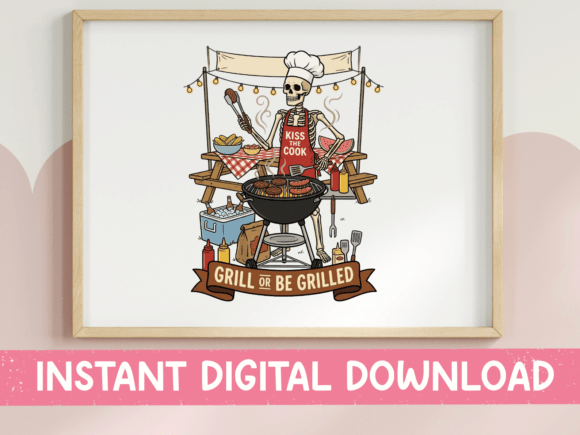
The first thing that strikes me about this design is its personality. The concept of a skeleton donning a chef's hat and a "Kiss The Cook" apron while manning a smoking charcoal grill is inherently humorous. It creates an immediate mood of laid-back confidence. For embroidery designers and Etsy sellers, mood is everything. When a customer sees a finished product, they aren't just buying stitches; they are buying a vibe. This graphic screams "backyard boss," making it an ideal candidate for personalized gifts for the dad who refuses to let anyone else touch the tongs, or the friend who hosts the ultimate summer bash.
Visual Breakdown and Stitching Potential
From a technical standpoint, the layout of the Grill or Be Grilled BBQ Skeleton offers some interesting challenges and opportunities. The central figure—a skeleton at the grill—is surrounded by condiments and burgers, which suggests a moderate level of detail. In the world of Graphics and T-Shirt Designs, complexity can be a double-edged sword. On one hand, the extra elements like the smoking grill and surrounding items add depth and storytelling to the image. On the other hand, they demand precision.
If you are planning to use this as an applique design, the distinct shapes of the skeleton, the grill, and the chef hat offer excellent opportunities for fabric layering. Imagine using a textured linen for the apron or a slightly shiny satin fabric for the chef's hat to create contrast against the matte finish of the skeleton bones. However, if you are relying solely on thread work, you need to pay close attention to the stitch density. Areas like the smoke rising from the grill or the fine lines of the skeleton's ribs require a delicate balance. Too dense, and you risk puckering; too sparse, and the backing shows through, ruining the professional look.
The inclusion of text, specifically the "Kiss The Cook" sentiment often associated with these aprons, requires careful scrutiny. Small lettering in embroidery is notorious for filling in if the running stitch or satin stitch columns are too wide. Before loading this onto your machine for a production run, I strongly advise zooming in on the digitized file to ensure the text gaps are wide enough to remain legible after washing.
Real-World Application: The Custom Apron Scenario
To truly test the viability of this design, let's walk through a realistic scenario. Imagine a client comes to your craft business requesting a custom gift for their spouse's birthday. They want a heavy-duty canvas apron that can withstand grease, heat, and frequent washing. The Grill or Be Grilled BBQ Skeleton fits this brief perfectly.
In this situation, the durability of the design becomes paramount. An apron is a high-friction item. It gets wiped down, tossed in the wash, and rubbed against counters. A design with large, solid fill stitch areas—like the body of the grill or the background smoke—needs to be secure. If the underlay isn't sufficient, those large blocks of thread might lift at the edges over time. For this project, I would recommend using a cutaway stabilizer rather than tear-away. The cutaway provides permanent support, ensuring that the skeleton remains crisp and the fabric doesn't distort around the heavy stitching zones.
Furthermore, consider the placement. Centered on the chest is standard, but for a larger graphic like this, placing it slightly lower on the bib of the apron might prevent the bottom details (like the condiments) from getting lost in the waist ties or pocket seams. This kind of spatial awareness is what separates a hobbyist from a professional apparel decorator.
Fabric Choices and Texture Considerations
The success of any embroidery project hinges on the marriage between the file and the fabric. The Grill or Be Grilled BBQ Skeleton likely features a mix of bold outlines and finer internal details. This makes it versatile but also demanding regarding material selection.
- Cotton Twill and Canvas: These are the gold standards for this type of design. The tight weave supports the weight of the threads, and the matte finish allows the thread colors to pop. This is perfect for tote bags, aprons, and structured caps.
- Polyester Blends: Common in performance tees and sportswear. Be cautious here. Synthetic fabrics can be slippery, and the heat generated by high-speed stitching can cause puckering or even melt delicate fibers if the needle friction is too high. A water-soluble topper might be necessary to keep the stitches sitting on top of the fabric texture.
- Fleece and Terry Cloth: Great for sweatshirts or kitchen towels, but tricky for detailed graphics. The pile of the fabric can swallow small details like the skeleton's fingers or the burger toppings. If using this on a sweatshirt embroidery project, you may need to increase the stitch count slightly or simplify the design by removing the smallest elements.
- Dark Fabrics: A black or charcoal hoodie would look incredible with this design, providing a natural night-time backdrop for the skeleton. However, ensure your digitizer has accounted for the dark background. You don't want gaps in the white bone stitches revealing the black fabric underneath, which would look like a mistake rather than a style choice.
Commercial Viability and Brand Consistency
For small shop product creators and those selling digital embroidery files, understanding the market appeal is crucial. The "grilling skeleton" theme taps into two massive markets: BBQ enthusiasts and Halloween lovers. While it shines in October, the "Kiss The Cook" element gives it longevity throughout the grilling season (spring through fall). This versatility increases the return on investment for your design assets.
When creating printable mockups for your online store, visualize this design on various items beyond just t-shirts. Think about embroidered patches. The distinct outline of the skeleton and grill makes it an excellent candidate for a merrow-edge patch. Patches are huge right now for customizing denim jackets and backpacks. If the original file allows for a clean border, you could easily adapt this Graphics file into a patch format, expanding your product line without needing new artwork.
However, always verify the licensing terms. Just because a design is available for purchase doesn't automatically mean it is cleared for unlimited commercial use. Some creators allow you to sell the finished product (the stitched shirt) but prohibit selling the digital file itself. Clarify this before listing items on Etsy or at craft fairs to protect your business reputation.
Final Verdict and Practical Tips
The Grill or Be Grilled BBQ Skeleton is a strong contender for anyone looking to add some humor and edge to their embroidery portfolio. Its strength lies in its clear silhouette and relatable theme. However, like any complex design, it demands respect during the setup phase.
Before you commit to a full production run or a high-stakes gift, follow these practical steps:
- Test on Scrap: Always stitch out the design on a scrap piece of the exact fabric you intend to use. This reveals issues with tension, density, and registration that screens cannot show.
- Check Thread Contrast: Ensure your chosen thread palette provides enough contrast between the skeleton, the grill, and the background. Sometimes, swapping a dark grey for a pure black can make the details stand out much better.
- Inspect Small Details: Look closely at the condiments and the smoke. If they look muddy in the test stitch-out, consider simplifying those areas or increasing the size of the hoop to scale up the design slightly.
- Verify Hoop Size: Ensure the design fits comfortably within your hoop with room for clamping. Cramping a design near the edge of the hoop can lead to distortion.
In conclusion, this design offers a fantastic blend of whimsy and utility. Whether you are creating a personalized gift for a grill master, adding a unique item to your boutique branding, or simply enjoying a fun holiday embroidery project, the Grill or Be Grilled BBQ Skeleton has the potential to be a standout piece. With the right fabric, proper stabilization, and a keen eye for detail, it can elevate a simple garment into a conversation-starting work of art. Happy stitching!